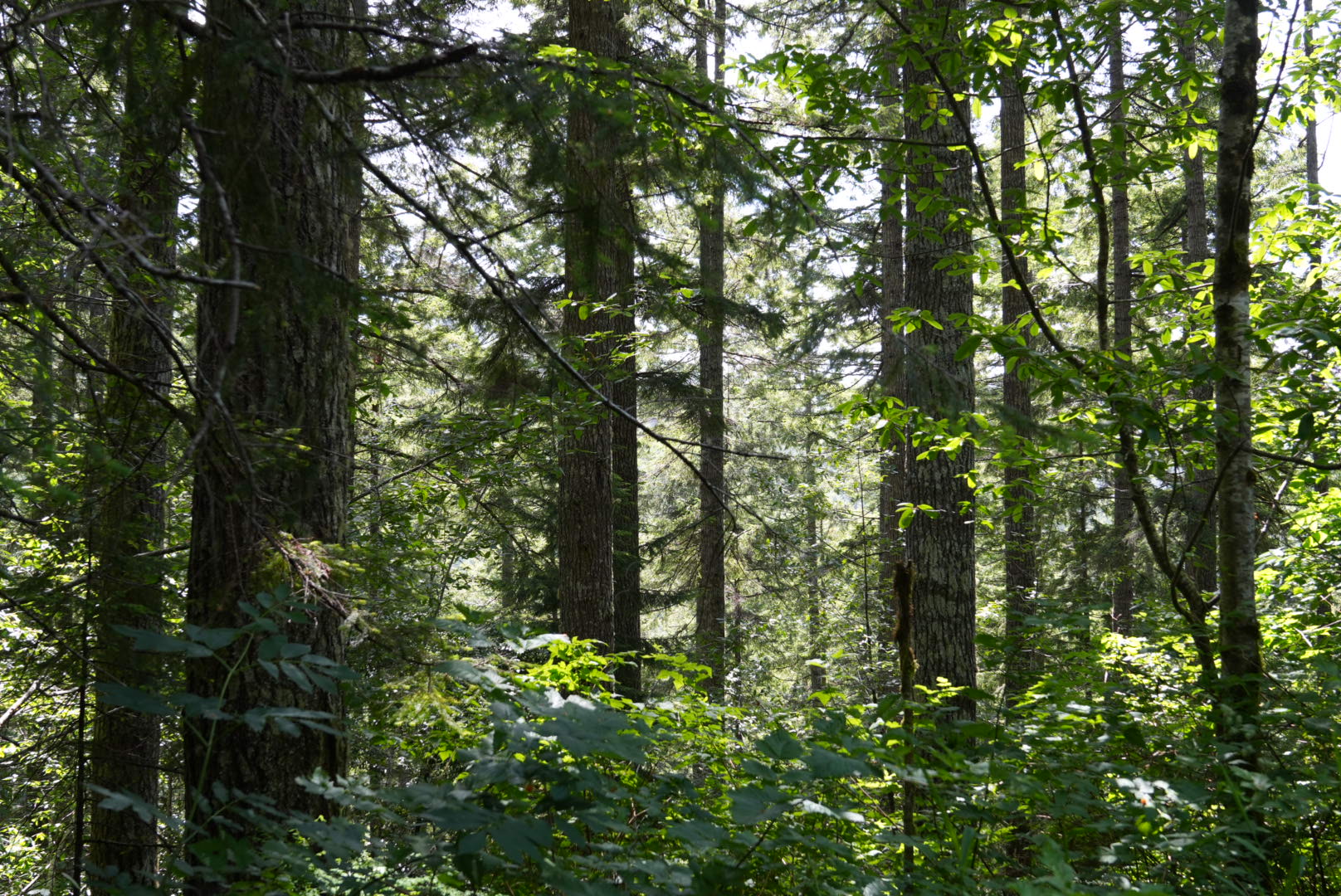
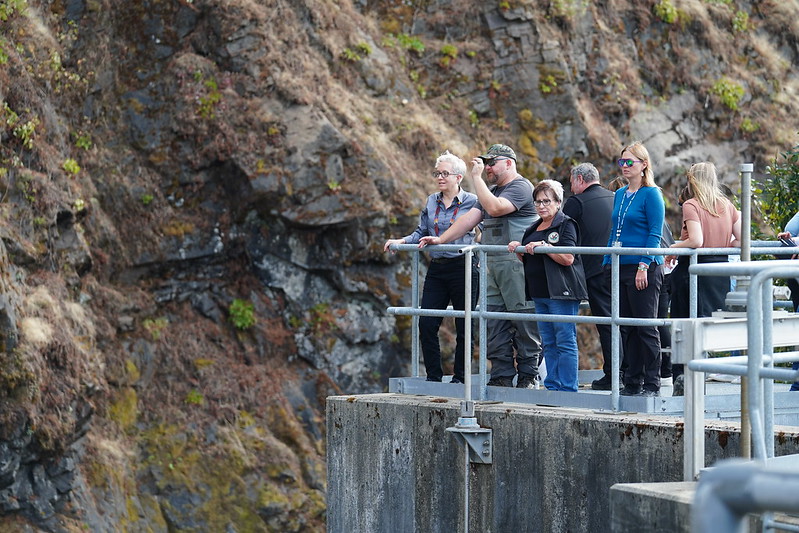
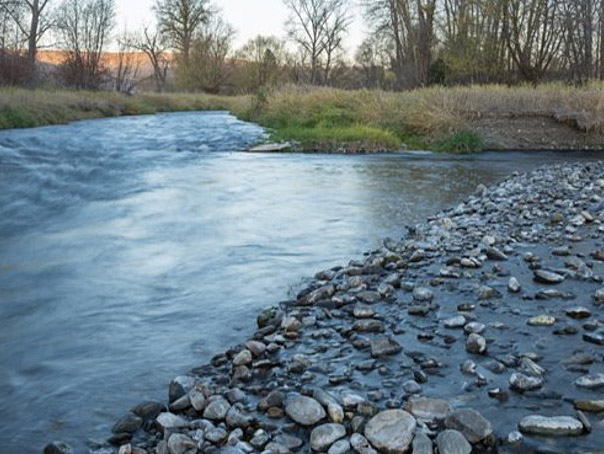
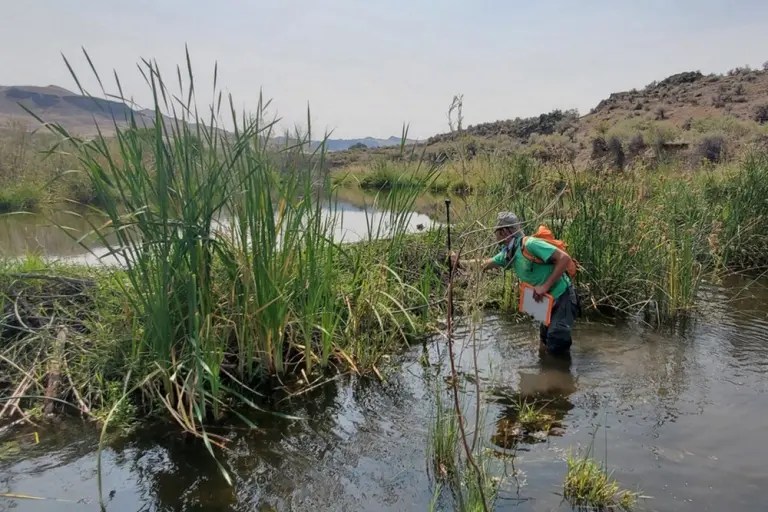
“Oregon is getting ready to launch a massive new environmental restoration fund that will funnel money for conservation projects to communities and tribes harmed by pollution and to state agencies that work on pollution and environmental issues.”
The Oregonian


COUNCIL MEMBERSHIP
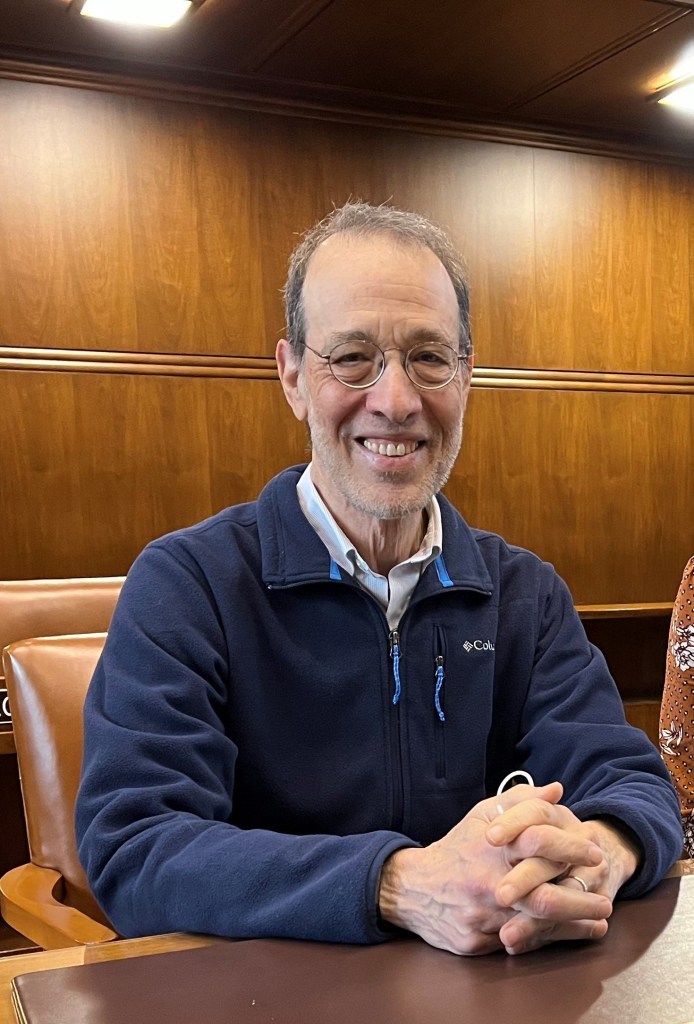
Michael Dembrow, Co-Chair, Public Member
Michael Dembrow (he/him) served in the Oregon State Legislature as a State Representative and then State Senator from 2009 until his retirement in 2025. Michael served as the Chair of the Environment and Natural Resources Committee in the Senate from 2019-2020 and co-chaired the Joint Ways and Means Subcommittee on Natural Resources from 2023-2024. Prior to his service in the Legislature, Michael was an English instructor at Portland Community College for many years and president of the faculty union for 16 years. Michael is a member of the Oregon Higher Education Coordinating Commission and a commissioner to the Western Interstate Commission for Higher Education. He is also an advisor to Jobs for the Future’s Fair Chance to Advance Initiative on prison education and reentry programs and sits on the board of the Oregon Center for Public Policy.
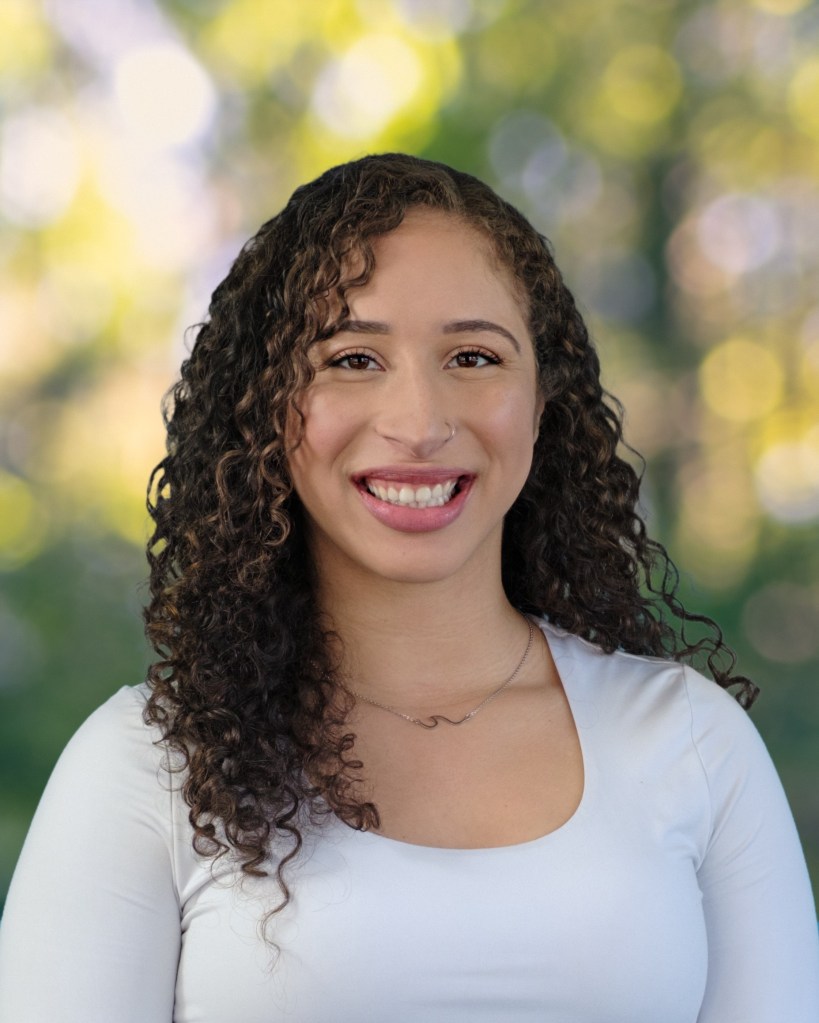
Cheyenne Holliday, Vice Chair, Public Member
Cheyenne Holliday (she/her) is the Director of Policy and Advocacy at Verde. She played an instrumental role in Oregon Water Futures and the development of the Water Policy Action Framework, a collaboration between water and environmental justice interests, Indigenous peoples, communities of color, low-income communities, and academic institutions. Cheyenne previously served on the Oregon Racial Justice Council’s Environmental Equity Committee, and as a member of the Oregon Sustainability Board. She is a born and raised Oregonian who grew up on a small farm outside of Portland where her family rescues and rehabilitates horses. Cheyenne holds a B.S. in Psychology and an M.S. in Conflict and Dispute Resolution from the University of Oregon.
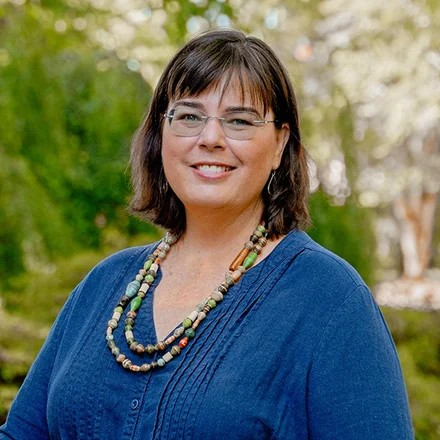
Molly Kile, Public Member, Scientific Expertise
Molly Kile, Sc.D. (she/her) is a Professor at Oregon State University in the College of Health. Dr. Kile is an environmental health scientist whose interdisciplinary work spans public health, environmental health science, community-engaged research, and research translation. She serves as a Charter Member of the National Institutes of Health’s Social and Environmental Determinants of Health Study Section and is an Editor-in-Chief for the scientific journal, Current Environmental Health Reports. Dr Kile previously served as an Environmental Quality Commissioner with the Oregon Department of Environmental Quality and as a member of the Oregon Watershed Enhancement Board. Across all her roles, Dr. Kile’s work is driven by a commitment to excellence, meaningful partnership, and health equity.
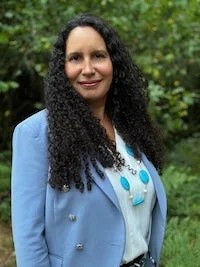
AlaÍ Reyes-Santos, Public Member
Alaí Reyes-Santos, Ph.D. (she/her) is a scholar, researcher, and consultant. At University of Oregon, she has two roles: Professor of Practice at U of Oregon’s School of Law and Director of the Water Equity Fund ($1.5 million) at the Climate Solutions Center. She also served as Director of the Mellon Foundation-funded ($4.5 million) PNW Just Futures Institute for Climate and Racial Justice. Dr. Reyes-Santos is the founder of ACC, a consulting firm that facilitates organizational transformations and community engagement in the non-profit sector, government, higher ed, arts and cultural initiatives, emergency preparedness and response, and social and environmental justice organizations. She served on the Oregon Racial Justice Council’s Environmental Equity Committee. Dr. Reyes Santos completed her B.A. in Humanities at University of Puerto Rico, Mayagüez, and her M.A. and Ph.D. at University of California, San Diego.Under Construction
Jenn Bildersee, Public Member, Scientific Expertise
Jenn Bildersee is the Coordinator of the City of Portland’s Brownfield Program, where for nearly two decades she has supported the transformation of contaminated sites into community assets. Jenn has managed the environmental assessment and cleanup of more than 50 properties – laying the groundwork for affordable housing, parks, gardens, small businesses, and nonprofits. She has successfully secured and managed $3.9 million in competitive federal funding, channeling resources into projects that bridge remediation with equitable development. Jenn’s work is grounded in a commitment to environmental justice in the urban landscape, with a focus on creating opportunity and access through land reuse. Jenn’s interdisciplinary background includes a Master of Landscape Architecture from the University of Oregon and a B.S. in Biology from Columbia University.
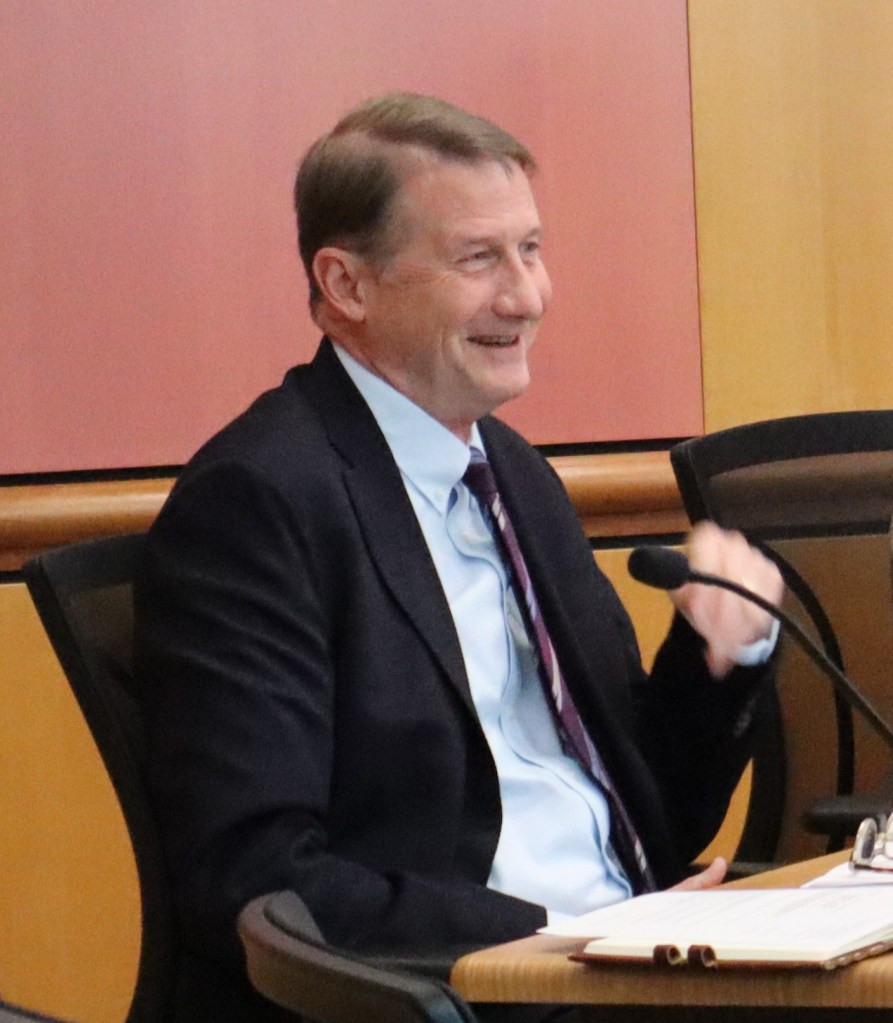
Geoff Huntington, Governor Designee
Geoff Huntington (he/him) has served as Governor Kotek’s Senior Natural Resources Policy Advisor since January 2023. Prior to that, Geoff was the Elliott State Forest Project Manager for Oregon’s Department of State Lands, a Senior Instructor in the College of Forestry at Oregon State University, Executive Director of the Oregon Watershed Enhancement Board (1999 – 2004), and Deputy Director of the Oregon Water Resources Department (1995 – 1999). Geoff received his B.S. in Natural Resource Development from Michigan State University and his J.D. from University of Oregon School of Law.
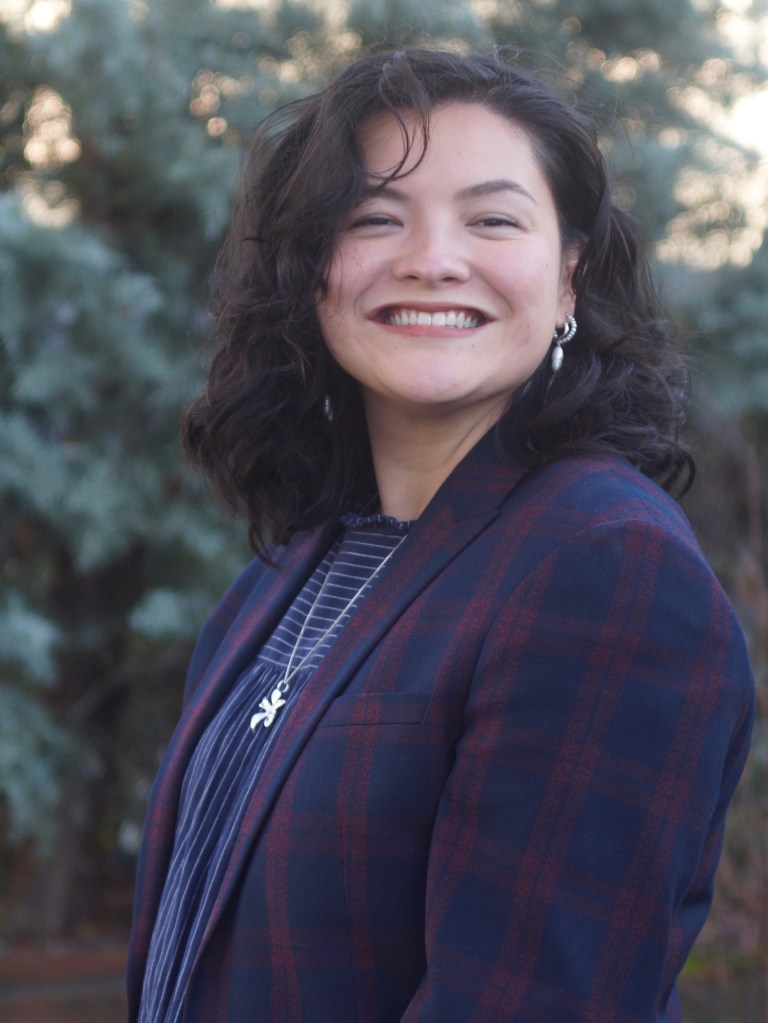
Leslie Wu, Attorney General Designee
Leslie Wu (she/her) serves as a Policy Advisor to the Attorney General. Before joining the Oregon DOJ, Leslie spent six years prosecuting crimes as a Deputy District Attorney in Multnomah County. In 2021, she served as counsel to the Oregon Senate and House Judiciary Committees with the Legislative Policy and Research Office. During law school, Leslie externed at the Federal Trade Commission, the U.S. Attorney’s Office, and with a Federal District Court judge, in addition to leading the Moot Court Honor Board. Leslie received her B.A. and her J.D. from the University of Washington. She loves spending her winter weekends up at Mount Hood.Under Construction
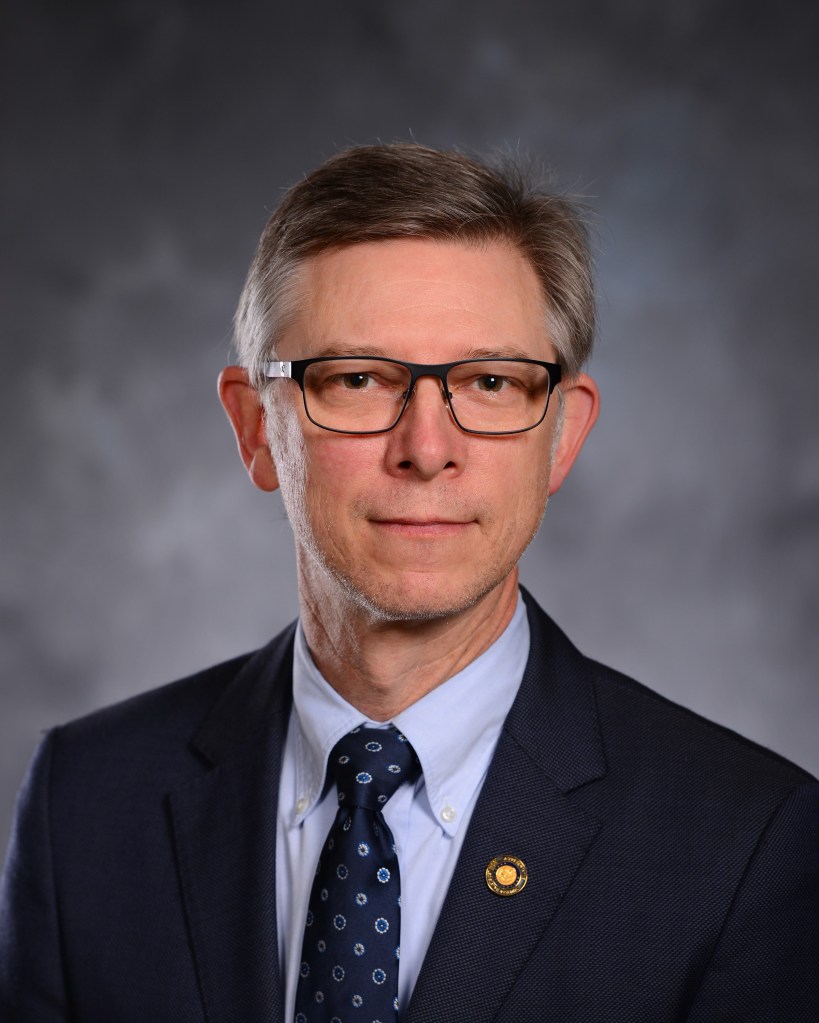
Representative Ken Helm, Legislative Assembly
Non-voting Advisory Member
Ken Helm (he/him) is the State Representative for Oregon House District 27, including the City of Beaverton and nearby communities. Among his legislative duties, Representative Helm serves as Co-Chair of the House Committee on Agriculture, Land Use, Natural Resources, and Water, as well as a member of the House Committee on Climate, Energy, and Environment. Representative Helm has also served on committees related to topics such as economic development, judiciary, and revenue. He is a Co-Chair of the Legislature’s Water Caucus, a Co-Chair of the Wildlife Caucus, and a member of the Legislature’s Environmental Caucus. Representative Helm received his B.A. in History and Political Science from Willamette University and his J.D. from Willamette University College of Law. He built a robust practice in land use law prior to entering the Oregon Legislature in 2015.
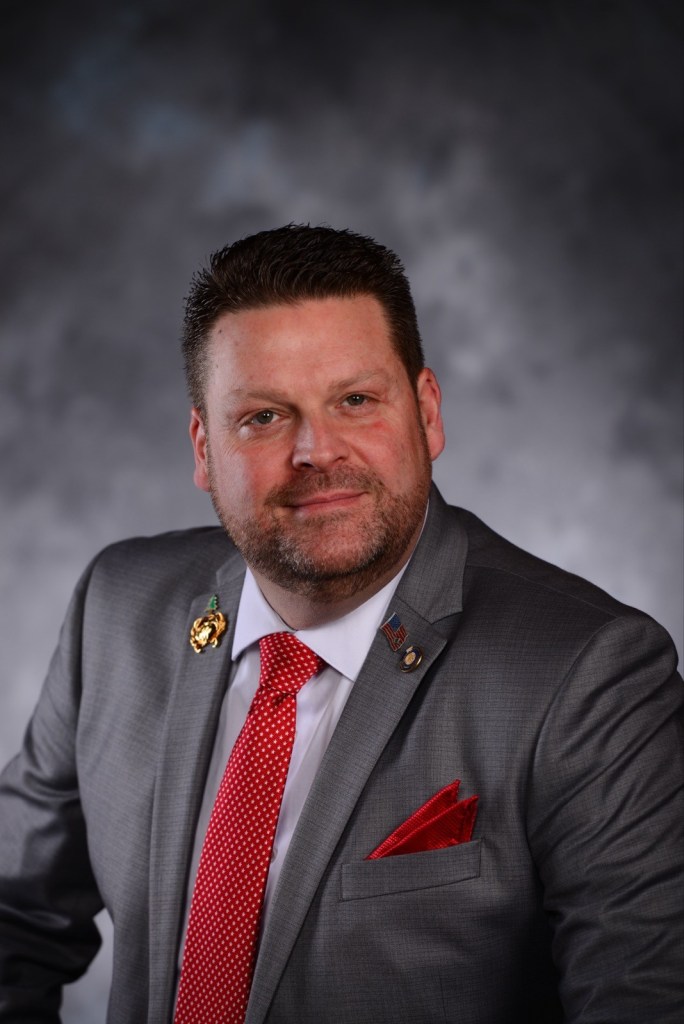
Senator David Brock Smith, Legislative Assembly
Non-voting Advisory Member
David Brock Smith is the State Senator for Oregon Senate District 1, which encompasses all of Curry County and parts of Coos and Douglas Counties. Senator Brock Smith currently serves as the Vice-Chair on the Senate Committee on Energy and Environment, as well as being a member of the Senate Committee on Veterans, Emergency Management, Federal and World Affairs; the Joint Committee on Ways and Means Subcommittee on Public Safety; and the Joint Committee on Ways and Means.
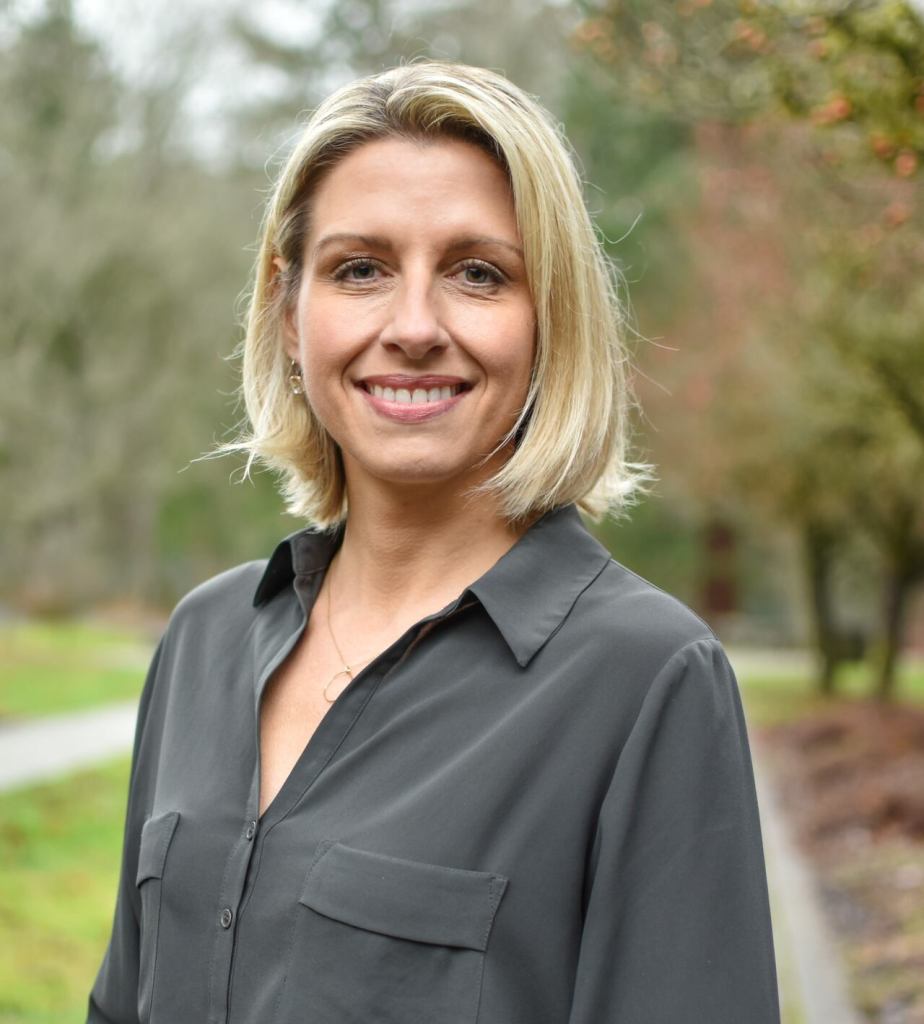
Leah Feldon, Director, DEQ
Leah Feldon (she/her) serves as the Director of the Oregon Department of Environmental Quality, beginning her service with the agency in 2005. Throughout her tenure, Leah has served in a variety of leadership positions, gaining broad experience across air, land and water programs, and in 2016, she was appointed as Special Advisor for Governor Brown’s Cleaner Air Oregon initiative. Leah serves as a member of Oregon State University’s College of Health Community Advisory Board which brings leaders together to advise and partner with the College as they advance their mission. She is the Vice President of the Environmental Council of the States, and a board member of the Environmental Research Institute of the States. Leah earned her B.A. from University of Dayton in Ohio and her J.D. from Lewis and Clark Law School.
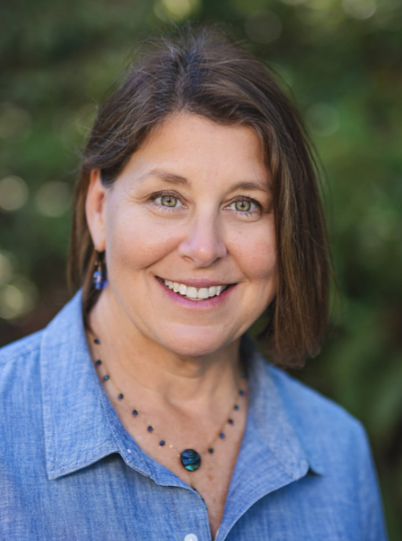
Debbie Colbert, Director, ODFW
Debbie Colbert, Ph.D. (she/her) was appointed Oregon Department of Fish and Wildlife director in May 2024. Debbie has served Oregon for more than two decades, working with diverse groups on natural resource issues, advancing landscape level conservation, and supporting resilience of Oregon’s wildlife, communities, and natural and working lands. Debbie earned her B.S. in Biology, M.S. in Oceanography, and her Ph.D. in Interdisciplinary Oceanography. She was selected as a 2022 National Conservation Leadership Fellow. In her free time, Debbie’s passion for conservation is energized by outdoor adventures with family and friends, whether on the water, in the woods, or on the beach.
André Ourso, OHA Director Designee
André Ourso (he/him) is the Administrator for the Center for Health Protection within Oregon Health Authority (OHA)’s Public Health Division. As Center Administrator, André oversees crucial public health programs that protect the health of individuals and communities by establishing, implementing, and ensuring compliance with licensing, regulatory, and health-based standards. The Center also houses several non-regulatory environmental health programs that focus on protecting Oregonians from environmental health hazards and providing information and resources to protect their health from environmental health risks. André began work with OHA in 2015. He serves on the Oregon Cannabis Commission and is a member of the Oregon Psilocybin Advisory Board. André received his Master of Public Health from the University of South Florida and his J.D. from the University of Florida. In his free time, he enjoys exploring the beautiful Pacific Northwest, hiking, swimming and playing tennis.